
Gas Heating Safety Checks Every Sydney Homeowner Should Know About
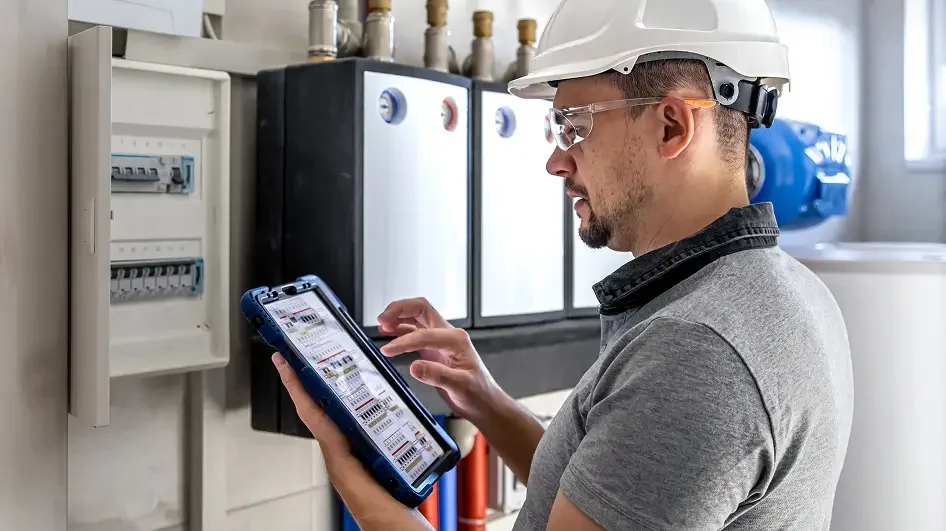
Winter in Sydney brings out the best in every gas heater, but it also brings hidden risks that many homeowners never think about until something goes wrong. From carbon monoxide leaks to faulty flues, a gas heating system that isn't properly maintained can turn from a comfort appliance into a genuine safety hazard. At RD Air Masters, we work with families across Sydney every year to make sure their gas heaters are safe, efficient, and ready for the cold months ahead. This guide walks you through the essential gas heating safety checks every Sydney homeowner should schedule before relying on their system for another winter.
Why Gas Heating Safety Checks Matter for Sydney Homes?
Sydney's climate means gas heaters often sit unused for most of the year, only to be switched on suddenly when the temperature drops. This start-stop pattern makes dust build-up, corrosion, and worn seals easy to miss without a professional inspection. Gas heating safety checks are not just a compliance box to tick — they protect your household from carbon monoxide poisoning, gas leaks, and fire risks that can develop quietly over time.
Carbon monoxide is colourless and odourless, making it impossible to detect without testing equipment
Older gas heaters (10+ years) are far more likely to develop cracked heat exchangers
Sydney's older housing stock often has ageing flues and ventilation that need regular review
Insurance claims can be affected if a heater hasn't been serviced according to manufacturer guidelines
Signs Your Gas Heater Needs Immediate Attention:
Not every gas heating issue waits for an annual service. Some warning signs mean you should call a licensed technician straight away.
A yellow or flickering flame instead of a steady blue one
Soot marks around the heater vents or on nearby walls
A persistent smell of gas, even faintly
Condensation or excess moisture building up on windows near the unit
Headaches, dizziness, or nausea that improve when you leave the house
Unusual noises such as banging, whistling, or popping during operation
If you notice any of these signs, switch the heater off, ventilate the room, and contact a licensed gas fitter immediately.
What a Professional Gas Heater Inspection Covers?
A thorough inspection from RD Air Masters goes well beyond a quick glance at the unit. Our technicians follow a structured checklist to make sure nothing is overlooked.
1. Flue and Ventilation Assessment
The flue is responsible for safely removing combustion by-products from your home. A blocked, corroded, or disconnected flue is one of the leading causes of carbon monoxide build-up in Sydney properties, particularly in units and townhouses with shared wall cavities.
2.Gas Pressure and Connection Testing
Technicians measure gas pressure at the appliance to confirm it matches manufacturer specifications. Loose fittings, worn hoses, and degraded seals are checked at every connection point along the gas line.
3.Heat Exchanger Inspection
Cracks in the heat exchanger allow combustion gases to mix with the air circulated through your home. This is one of the most serious faults found during gas heating safety checks, and it typically requires immediate replacement of the unit or component.
4.Carbon Monoxide Testing
Using calibrated detection equipment, we test both the appliance and the surrounding room air to confirm carbon monoxide levels are within safe limits.
5.Thermostat and Control Testing
Faulty thermostats or control boards can cause a heater to overwork, overheat, or shut down unpredictably. These are tested to confirm they respond correctly to temperature changes.
Recommended Safety Check Schedule for Sydney Properties
Different heater types and household situations call for different servicing frequencies.
Ducted gas heating systems — annual service before the start of autumn
Wall furnaces and space heaters — annual check, plus a visual inspection at the start of each winter
Rental properties — servicing aligned with NSW landlord safety obligations, typically every one to two years
Homes with young children, elderly residents, or pets — more frequent monitoring alongside annual servicing
Units and apartments with shared ventilation — inspection of both the individual unit and shared flue systems where applicable
DIY Checks You Can Do Between Professional Services:
While a licensed technician should handle any internal component work, there are a few simple things Sydney homeowners can check themselves between services.
Choosing a Licensed Gas Fitter in Sydney
Not every technician advertising heating repairs is licensed to work on gas appliances. Always confirm that whoever services your heater holds a current gas fitting licence recognised in NSW. At RD Air Masters, every inspection and repair is carried out by fully licensed and insured technicians who understand the specific challenges of Sydney's housing styles, from heritage terraces to modern apartment blocks. Choosing a qualified local team for your gas heating safety checks means you're getting advice suited to Sydney conditions, not a generic national checklist.
Frequently Asked Questions
Q1. How often should I get my gas heater serviced in Sydney?
Most manufacturers and safety authorities recommend an annual service, ideally scheduled before the start of the colder months.
Q2. Can a gas heater leak carbon monoxide even if it looks fine?
Yes. Carbon monoxide has no colour or smell, so a heater can appear to be working normally while still posing a serious risk. This is why professional testing is essential.
Q3. Is it normal for a gas heater to smell slightly when first turned on for the season?
A very brief dust-burning smell can be normal, but it should clear within a few minutes. A lingering gas smell is not normal and should be checked immediately.
Q4. Do rental properties in NSW require gas heater safety checks?
Landlords have obligations to maintain gas appliances in a safe working condition, and regular servicing helps meet these requirements while protecting tenants.
Q5. What should I do if I smell gas in my home?
Turn off the appliance if safe to do so, open windows and doors, avoid using electrical switches or open flames, leave the property, and call a licensed gas fitter or emergency services.
Q6. How long does a typical gas heater inspection take?
Most residential inspections take between 30 and 60 minutes, depending on the type of heating system and any issues identified along the way.
Book Your Gas Heating Safety Check with RD Air Masters:
A working gas heater is only truly reliable when it's also safe. Whether you need a routine service, a pre-winter inspection, or an urgent callout because something doesn't feel right, RD Air Masters is here to help Sydney homeowners stay warm without compromising on safety.
Contact Us
Email: raj@rdairmasters.com.au
Phone: 0435 101 000
