
Water Leaking From Your Air Conditioner: Common Causes and Fixes
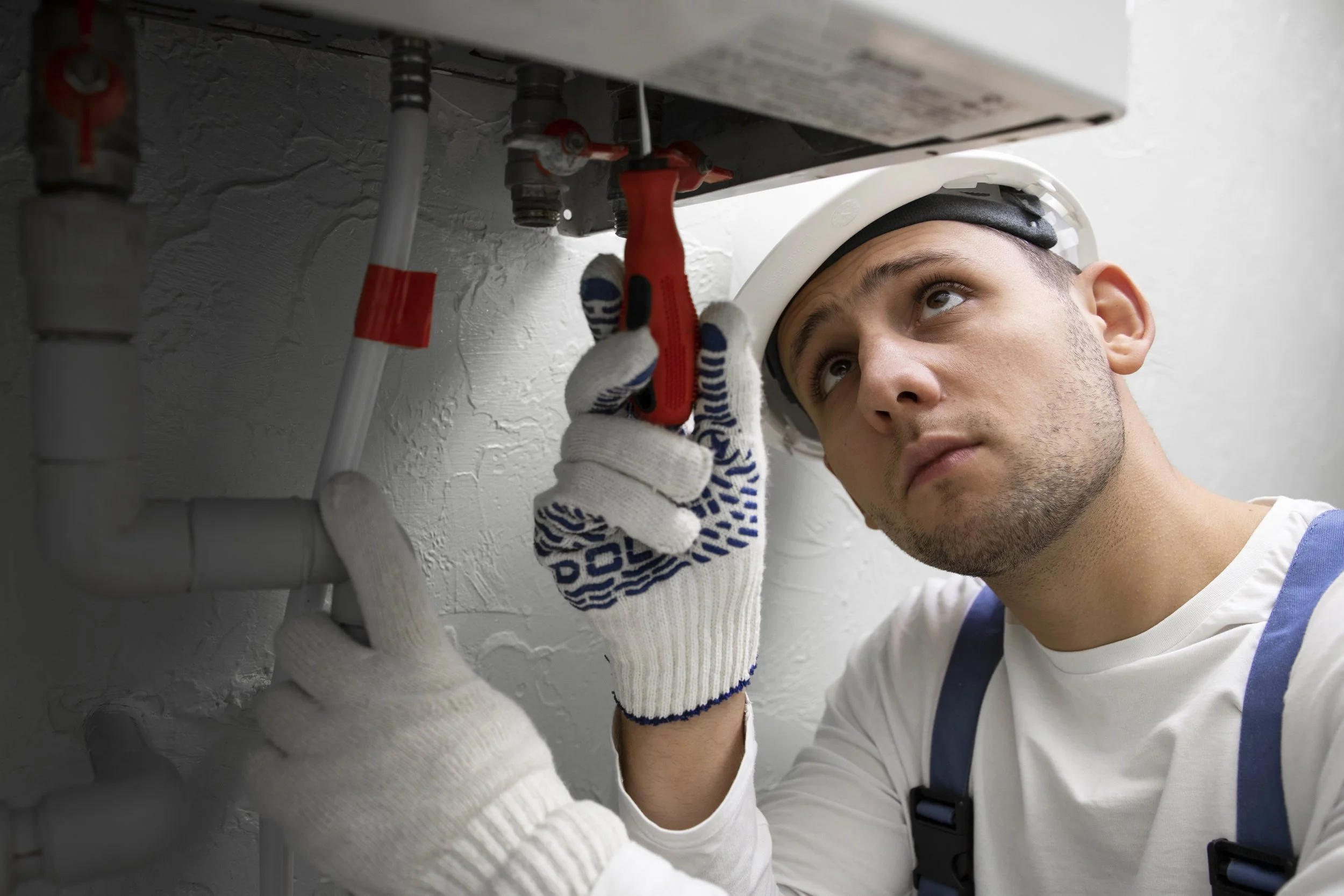
A pool of water forming around your indoor unit or dripping from your outdoor system is one of the most common air conditioner problems homeowners in Denham Court and across South West Sydney run into, especially as the weather warms up and units run for longer stretches each day. While a leaking air conditioner can look alarming, most causes are straightforward to diagnose and fix once you know what to look for. This guide walks through why your unit might be leaking and what you can do about it before calling in a professional.
Why Is My Air Conditioner Leaking Water?
Air conditioners are designed to remove moisture from the air as part of the cooling process. That condensation normally drains away safely through a dedicated drain line. When something disrupts that drainage path, or when a component inside the unit isn't working correctly, water ends up somewhere it shouldn't be — on your ceiling, walls, or floor.
1. Blocked Condensate Drain Line
The most frequent cause of air conditioner leaks is a clogged drain line. Over time, dust, dirt, algae, and mould can build up inside the drain pipe, restricting or completely blocking the flow of condensation. When the water has nowhere to go, it backs up and overflows from the drain pan.
Signs include water stains near the indoor unit or a musty smell coming from the vents
Common in homes that haven't had a maintenance service in over 12 months
Usually resolved with a professional drain flush and clean
2. Dirty or Clogged Air Filters
A dirty air filter restricts airflow across the evaporator coil. When airflow drops, the coil can get too cold and freeze over. Once the unit stops running or airflow increases again, that ice thaws quickly, and the drain pan can't cope with the sudden volume of water, leading to leaks.
Filters should generally be checked every 4-6 weeks during peak usage
Sydney's humid summer months make filters clog faster than usual
A simple filter clean or replacement is often all that's needed
3. Low Refrigerant Levels
If your system is low on refrigerant, usually due to a leak in the line, the pressure change can cause the evaporator coil to freeze. As with a dirty filter, the meltwater from that ice can overwhelm the drain pan and spill out.
Low refrigerant is not something you can top up yourself; it requires a licensed technician
Ongoing refrigerant leaks reduce cooling efficiency and increase running costs
Left unaddressed, this can shorten the lifespan of your compressor
4. Damaged or Rusted Drain Pan
Older units, particularly those made from metal, are prone to rusting over time. Once the drain pan has a hole or crack, it can no longer hold condensation properly, and water will drip through rather than draining out as intended.
More common in systems over 10 years old
Often requires pan replacement rather than a repair
A good opportunity to assess whether the whole unit needs replacing
5. Poor Installation
Sometimes a leak has nothing to do with age or wear and everything to do with how the unit was originally installed. If the indoor unit isn't level, or the drain line wasn't pitched correctly to allow gravity to do its job, water can pool and overflow even on a brand-new system.
Look out for leaks starting shortly after installation
Incorrect condensate pump wiring can also be a factor in ducted systems
A qualified installer should be able to correct the pitch or reposition the unit
6. Broken or Missing Condensate Pump
In systems where the indoor unit can't drain by gravity alone, such as those installed in a loft or without a nearby drain point, a condensate pump moves the water out. If that pump fails or the float switch malfunctions, water backs up and leaks instead of being pumped away.
What to Do If You Notice a Leak?
If you spot water leaking from your air conditioner, it's worth taking a few immediate steps before it causes damage to your ceiling or flooring.
Turn the unit off at the wall to stop further water accumulation
Place towels or a container under the leak to catch any drips
Check and clean or replace the air filter if it looks dirty
Inspect the drain line opening outside for visible blockages
Avoid attempting refrigerant or electrical repairs yourself
Preventing Future Leaks With Regular Maintenance:
Most air conditioner leaks are preventable with routine servicing. A seasonal maintenance check, ideally before the peak of summer, allows a technician to flush the drain line, inspect the coil and pan, check refrigerant pressure, and confirm the unit is draining correctly. For homes across South West Sydney and the Eastern Suburbs, where units run hard through long, humid summers, annual or bi-annual servicing goes a long way toward avoiding unexpected water damage and costly repairs.
When to Call a Professional?
While cleaning a filter or clearing visible debris from an outdoor drain outlet is something most homeowners can manage, most other causes of air conditioner leaks call for a trained technician. Diagnosing a refrigerant leak, replacing a drain pan, correcting installation issues, or repairing a condensate pump all require the right tools and licensing to do safely and correctly. Trying to force a fix without the right expertise can sometimes turn a manageable air conditioner problem into a bigger, more expensive one.
Frequently Asked Questions
Q1. Why is water dripping from my air conditioner when it's turned off?
This is usually residual condensation draining from the coil after the unit has stopped running, especially if the drain line is partially blocked. If dripping continues for more than a few hours after shutdown, it's worth having the drain line checked.
Q2. Is a leaking air conditioner dangerous?
It's not typically dangerous to your health, but the water can cause damage to ceilings, walls, flooring, and electrical components nearby if left unaddressed for too long.
Q3. Can I fix a blocked drain line myself?
Some homeowners use a wet/dry vacuum on the external drain outlet to clear light blockages, but a professional flush reaches deeper into the line and clears buildup more thoroughly.
Q4. How often should I get my air conditioner serviced to prevent leaks?
Most manufacturers and technicians recommend servicing at least once a year, ideally before summer, with a second check in autumn for units used year-round.
Q5. Does a leaking air conditioner mean I need a new unit?
Not necessarily. Many leaks are caused by simple issues like a dirty filter or blocked drain, both of which are inexpensive fixes. A rusted pan or a unit nearing the end of its lifespan may point toward replacement being the more cost-effective option.
Q6. Will a leaking air conditioner affect my energy bills?
If the leak is related to low refrigerant or restricted airflow, your system will likely be working harder to cool your home, which can increase running costs until the underlying issue is fixed.
Get Your Air Conditioner Checked Today
If your air conditioner is leaking water, don't wait for the problem to get worse. The team at RD Air Masters serves homes and businesses across Denham Court and South West Sydney, offering prompt diagnosis and repair for leaking air conditioners and all other cooling system issues.
Contact Us Email: raj@rdairmasters.com.au
Phone: 0435 101 000
