
Signs Your Gas Heating System Is Leaking and What to Do Immediately
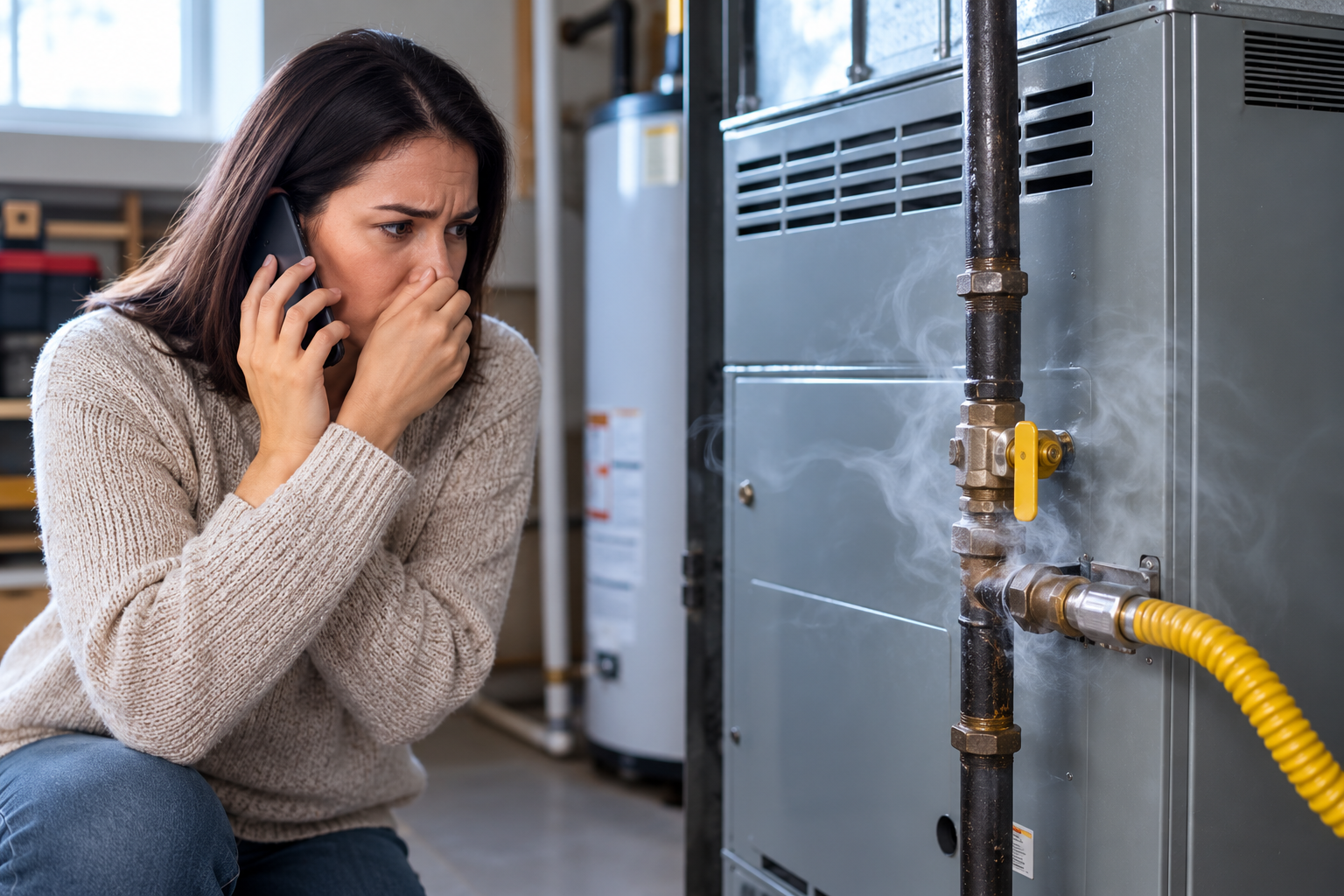
A gas heater should warm your home quietly and safely, but a fault in the pipework, burner or ducted unit can turn it into a serious hazard. Sydney winters push heaters hard, and ageing components, vibration and poor maintenance all increase the chance of a fault. If you suspect a gas heating system leaking, knowing the warning signs and acting fast can protect your family and your property. This guide from RD Air Masters explains what to look for, what to do straight away and how to prevent problems across Sydney homes.
Why Gas Heating Leaks Happen in Sydney Homes?
Gas leaks rarely appear without warning. They usually develop gradually through wear, corrosion or loose connections, and ducted systems have many joints, valves and components where a problem can start. Most leaks are linked to a handful of causes, and understanding them helps you spot trouble early. Many of these faults overlap with the common ducted gas heating problems we fix across Sydney.
Corroded or aged gas pipes and fittings
Loose or damaged connections around the unit
Faulty gas valves or regulators
Cracked heat exchangers
Poor installation or unlicensed repair work
Years without servicing
Warning Signs of a Gas Leak
The Smell of Gas
Natural gas is naturally odourless, so suppliers add a strong sulphur-like scent that many people compare to rotten eggs. If you notice this smell near your heater, vents, gas meter or anywhere in the home, treat it as a genuine emergency. Don't wait to see if it fades, because even a faint smell can mean gas is escaping into an enclosed space.
Hissing or Whistling Sounds
A hissing or whistling noise near a gas line, valve or the heating unit can indicate gas escaping under pressure. These sounds are often easier to hear in a quiet room or inside a plant cupboard or roof space. If you hear them alongside a gas smell, leave the area immediately.
Physical and Health Symptoms
Gas leaks and incomplete combustion can affect your health before you realise there's a problem. Carbon monoxide is particularly dangerous because it has no smell or colour. Watch for these symptoms:
Headaches and dizziness
Nausea or unexplained tiredness
Shortness of breath
Symptoms that improve when you leave the house
Drowsiness or confusion among several household members at once
Visible Changes Around the Heater
Sometimes the evidence is visible. Look for discoloured or sooty marks around the heater, a pilot light or burner flame that burns yellow or orange instead of blue, or condensation on nearby windows. Dead grass or plants near outdoor gas lines or the external unit can also point to a problem.
Higher Gas Bills With No Explanation
A sudden jump in your gas bill without any change in usage can signal a leak or an inefficient, faulty system. A heater working harder than it should wastes energy and may be unsafe. If your costs are rising and the heater seems to be struggling, it's worth having it inspected before the problem gets worse.
What to Do Immediately If You Suspect a Gas Leak
Your priority is getting everyone to safety. Don't try to find the source of the leak yourself, and don't assume a small smell is harmless. Follow these steps in order:
Don't switch any electrical items on or off, including lights and appliances, as a spark can ignite gas.
Extinguish all naked flames, including candles, cigarettes and stove burners.
Open doors and windows if you can do so quickly to let gas disperse.
Turn off the gas at the meter if it's safe to reach.
Get everyone, including pets, out of the building.
Call from outside the property, not from inside.
Once you're outside and away from the house, call your gas network's emergency line. In most of Sydney this is Jemena on 131 909. If you smell strong gas, feel unwell or see signs of fire, call 000 immediately. Don't re-enter until emergency services or a licensed gas fitter confirm it is safe.
What Not to Do
Some well-meaning actions can make a gas leak far more dangerous. Never use a lighter or match to look for a leak, and avoid operating switches or remote controls near the suspected source. Don't try to tighten fittings, patch pipes or tamper with the heater yourself. Gas work in NSW must be carried out by a licensed professional, and DIY repairs can create a hidden fault that's worse than the original one.
Getting the Heater Checked After a Leak
Even after the gas has cleared, the heater should stay off until a qualified technician has inspected it. A proper inspection checks pipework, joints, valves, the burner, the flue and the heat exchanger, and confirms combustion is safe. If the fault turns out to be a gas line, valve or component failure, our team can carry out ducted gas heating repair in Sydney quickly and safely, getting your home warm again without cutting corners.
Repair or Replace After a Gas Leak?
Not every leak means you need a new system. A loose fitting or faulty valve is often a straightforward fix, but a cracked heat exchanger or widespread corrosion in an older unit may be a different story. The decision depends on the age of the heater, the extent of the damage and how often it has needed work. If your unit is beyond economical repair, we also handle gas ducted heating replacement in Sydney with modern, efficient systems.
How to Prevent Gas Heating Leaks
Prevention is far cheaper and safer than an emergency. Regular servicing lets a technician catch worn parts, loose connections and combustion problems before they become dangerous. A routine gas heating system servicing and maintenance visit before winter is one of the best ways to protect your household. Pair this with a few simple habits:
Book a service every year before the cold season starts
Keep the area around the heater and vents clear of clutter
Install a carbon monoxide alarm and test it regularly
Learn where your gas meter and isolation valve are located
Use only licensed gas fitters for repairs and installations
Local Gas Heating Help Across Sydney
Gas heating problems don't wait for a convenient time, and local support matters when you need a fast response. RD Air Masters services homes and businesses across Sydney, with experienced technicians who understand the systems and conditions common to the area. Check our service areas to see if we cover your suburb. Acting quickly on any sign of a gas heating system leaking keeps your household safe and often reduces the cost of the repair.
Frequently Asked Questions
1. What does a gas heater leak smell like?
Gas suppliers add an odorant that smells like rotten eggs or sulphur. If you notice it near your heater, vents or meter, leave the property and call your gas emergency line from outside.
2. Can a gas heater leak without a smell?
Yes. Carbon monoxide from faulty combustion has no smell, which is why symptoms like headaches, dizziness and nausea shouldn't be ignored. A working carbon monoxide alarm adds an important layer of protection.
3. Should I turn off my gas heater if I smell gas?
Don't operate any switches or controls. If you can reach the gas meter safely, turn off the supply there, then leave the building and call for help from outside.
4. Who should I call for a suspected gas leak in Sydney?
Call your gas network's emergency line, which is Jemena on 131 909 for most of Sydney, or 000 if there is fire, strong gas or anyone feels unwell. Once the situation is safe, contact a licensed gas fitter to inspect the heater.
5. Is it safe to use my heater again after a leak?
Only after a qualified technician has inspected it and confirmed it is safe. Using the system before then risks another leak or dangerous combustion.
6. How often should I have my ducted gas heating serviced?
Once a year is recommended, ideally before winter. Regular servicing helps detect faults early, keeps the system efficient and reduces the risk of leaks.
Contact Us
If you suspect a problem with your gas heater, don't take chances. Contact RD Air Masters for expert advice, inspections and repairs, or visit our contact page to get in touch.
RD Air Masters
Email: raj@rdairmasters.com.au
Phone: 0435 101 000
